
Healthier Returns
Digital health investments return more than cost savings; they can amplify patient outcomes.
In our continuing series on the ROI of digital health, we use the NSQHS Standards to measure patient outcomes. This whitepaper presents evidence linking secure, interoperable platforms to reduced mortality, fewer errors, and faster care.
Executive Summary
Australian healthcare faces an unrelenting dual pressure: improving patient outcomes while demonstrating that every dollar spent delivers a measurable return. Investment in digital health is accelerating, yet too often that investment rests on anticipated efficiencies rather than evidence of improved patient wellbeing. This whitepaper series argues that the true return on digital health investment is the healthier patient, the avoided adverse event, the life saved by earlier detection, and the dignity of a well-coordinated care journey. The measure of that return is already in place: the National Safety and Quality Health Service (NSQHS) Standards, adopted by every Australian state and territory and embedded in accreditation, performance assessment and funding accountability.
The paper examines patient outcomes through the Standards, distinguishing between those where digital health enables systemic transformation of care and where it contributes precise, targeted augmentation. Comprehensive Care, Communicating for Safety, and Recognising and Responding to Acute Deterioration are domains that can be fundamentally reshaped in how care is planned, coordinated and escalated. The Preventing and Controlling Infections, Medication Safety, and Blood Management Standards provide opportunity for a more straightforward contribution.
Across every domain, the evidence converges on outcomes that matter:
- Mortality falls: a 12% reduction in intensive care mortality linked to electronic records and a 13% reduction in hospital mortality associated with rapid response systems.
- Harm is reduced: medication errors drop by an average of 54%, adverse drug events by 37%, and cardiopulmonary arrests by 35%.
- Care accelerates: emergency department length of stay shortens by 30 minutes, specialist consult times fall, and hundreds of unnecessary admissions are avoided.
- Patients report greater confidence, easier access to their care team, and a strong preference for digital communication over telephone calls.
None of these is achieved in isolation. The evidence highlights that standalone applications deliver fragmented results. The platforms that yield the greatest clinical return are those where secure messaging, monitoring devices, electronic records and escalation workflows interoperate through a robust integration layer. This infrastructure turns a collection of useful apps into an organisation-wide safety net that demonstrates compliance through auditable digital records.
For senior leaders and governing boards, the whitepaper provides a framework for evaluating digital health investments. It links each recommended capability to a specific Standard, each Standard to proven patient outcomes, and each outcome to a defensible return on the resources committed. The case is clear: investing in interoperable, standards-aligned digital health is not a technology decision. It is a clinical effectiveness decision with measurable patient returns, and the evidence is already in hand.

Leveraging the NSQHS Standards.
Examining the Standards suggests opportunities from systemic transformation (Comprehensive Care, Communicating for Safety, Acute Deterioration) to targeted augmentation (Infection Control, Medication Safety, Blood Management), providing a nationally adopted, accreditation-linked framework for measuring patient outcome values.
Applying digital health solutions.
Our research found digital health applications including Integrated EMRs, secure smartphone collaboration and escalation platforms, continuous IoT and AI-driven monitoring, clinical decision support, automated medication and blood management systems, and interoperability engines linking devices to workflows. Each of these addresses Actions under the Standards.

Achieving patient outcome returns.
Studies of the identified solutions found important improvements: mortality reductions of up to 13%, medication errors down 54%, adverse drug events down 37%, cardiac arrests down 35%, ED stay shortened by 30 minutes, and hundreds of admissions avoided. This research found it to be very clear that digital health solutions can deliver enhanced patient wellbeing results.
What is 'Effective' Healthcare?
The World Health Organization identifies clinical effectiveness, patient safety, and patient-centredness (encompassing experience and satisfaction) as universally accepted core care quality measures (1). For a digital health investment to be considered effective, it must demonstrate a measurable impact across these dimensions. The NSQHS Standards operationalise these broad quality domains for the Australian health system, providing clear, auditable expectations.
For evaluating digital health return on investment, this paper adopts the National Safety and Quality Health Service (NSQHS) Standards as the definitive yardstick. These standards are adopted by all Australian states and territories and are embedded in both accreditation and health service performance assessment, offering a consistent, cross-jurisdictional benchmark for effectiveness.
The national commitment to standardised quality measurement was formalised through the Council of Australian Governments (COAG) in 2011. Under that agreement, the Australian Commission on Safety and Quality in Health Care (ACSQHC) was directed to expand its role in developing national clinical standards and strengthening clinical governance. Specifically, the ACSQHC was tasked to:
- formulate and monitor safety and quality standards and work with clinicians to identify best practice clinical care, to ensure the appropriateness of services being delivered in a particular health care setting; and
- provide advice to the Standing Council on Health about which of the standards are suitable for implementation as national clinical standards (2).
This mandate produced the NSQHS Standards, which have since become the foundation of safety and quality assurance across Australian healthcare. The eight current standards are:
- Clinical Governance Standard
- Partnering with Consumers Standard
- Preventing and Controlling Infections Standard
- Medication Safety Standard
- Comprehensive Care Standard
- Communicating for Safety Standard
- Blood Management Standard
- Recognising and Responding to Acute Deterioration Standard (3)
State-level performance frameworks further illustrate how these standards translate into accountability and investment decision-making. Queensland Health’s performance assessment principles, for example, make safety, quality and patient experience a primary component of health service evaluation. This includes holding Hospital and Health Services responsible for obtaining accreditation under the Australian Health Service Safety and Quality Accreditation (AHSSQA) scheme, which is built upon the NSQHS Standards. Performance measures incorporate both quantitative and qualitative outcomes, with continuous refinement of key performance indicators and safety and quality markers to support risk and performance understanding (4).
For senior leaders evaluating digital health investments, effectiveness is therefore not an abstract concept. It is a clear return measured against nationally mandated standards. A digital application that strengthens clinical governance, reduces medication errors, improves communication, or enables earlier detection of deterioration directly contributes to performance against the NSQHS Standards. This alignment offers a defensible, whole-of-system basis for calculating return on investment, because it links technology spending to the very criteria by which health services are assessed, funded, and held to account.
Where Digital Health impacts
Digital health, defined as the use of digital technologies, information systems and data analytics to deliver health information whenever and wherever it is needed, can enhance and transform healthcare delivery by supporting better communications, diagnosis, treatment and monitoring (5). When mapped against the NSQHS Standards, digital health applications fall into two broad categories: those that drive systemic evolution of clinical practice, and those that deliver targeted augmentation of existing processes.
Systemic transformation: areas where digital health can reshape practice
Three standards represent domains where digital technologies can fundamentally change how care is coordinated, communicated and escalated. The sub-elements of each standard, listed below, illustrate specific functions that digital solutions can address at scale:
- Comprehensive Care
- Communicating for Safety
- Recognising and Responding to Acute Deterioration (6)
In each case, digital platforms, integrated electronic medical records, clinical decision support and real-time alerting systems can replace fragmented manual workflows. The ability to improve access, safety and patient engagement through these technologies directly aligns with the broad objectives of digital health investment (5).
Targeted augmentation: areas where digital health refines specific activities
Three additional standards address critical safety processes where digital tools provide a direct, often single-point, enhancement to practice. The relevant sub-elements are:
- Preventing and Controlling Infections Standard
- Medication Safety Standard
- Blood Management Standard (6)
For these domains, digital interventions such as automated surveillance of healthcare-associated infections, electronic prescribing and medication administration records, or inventory management systems for blood products deliver precise, measurable improvements. These applications strengthen existing clinical safeguards without requiring wholesale redesign of the care model.
By categorising digital health opportunities this way, senior leaders can prioritise investments based on the scale of practice change and the corresponding return on quality performance.
Delivering Comprehensive Care
Actions 5.4–5.7a mandate systems that support clinicians to create, document and communicate comprehensive care plans, coordinate multidisciplinary teams, ensure timely specialist referral, and deliver integrated screening and assessment.
Integrated EHRs, AI-driven predictive analytics, IoT-enabled remote monitoring, RPM for home-based care, health technology reassessment platforms for de-implementing low-value care, and secure messaging for real-time multidisciplinary specialist input.
A 12% ICU mortality reduction, 56 minutes of nursing time saved per patient daily, fewer early rehospitalisations, improved quality of life, reduced hospital admissions, and systematic removal of low-value care practices.
The Comprehensive Care Standard requires health services to establish systems that support clinicians to develop, document and communicate comprehensive care plans, deliver care in the setting that best meets a patient’s clinical needs, ensure timely referral to specialist services, and maintain multidisciplinary collaboration with clearly defined roles (Actions 5.4, 5.5, 5.6, 5.7a) (6). Digital health technologies do not simply digitise existing paper processes; they reconfigure how care plans are assembled, how treatment decisions are made and where care is delivered, while enabling the expert collaboration that underpins high-quality, individualised plans.
Care Planning and Documentation
The comprehensive care plan is the central organising document for a patient’s journey. Actions 5.4a and 5.7a require that clinicians be supported to develop, document and communicate these plans, and that processes exist for integrated and timely screening and assessment. Digital health accelerates and enriches every stage of this cycle.
The transition from paper-based to digital documentation alone yields measurable gains. A study examining the digitalisation of nursing documentation in intensive care found that nurses saved an average of 56 minutes per patient per day, directly releasing time for patient assessment and care planning. The same body of research identified a 12% reduction in ICU mortality associated with electronic health records (EHRs) and computerised physician order entry (CPOE) systems, attributed to fewer medical errors, enhanced clinical decision-making and streamlined processes (7). These outcomes demonstrate that moving care plan documentation into an integrated digital environment is not an administrative convenience; it is a clinical safety intervention.
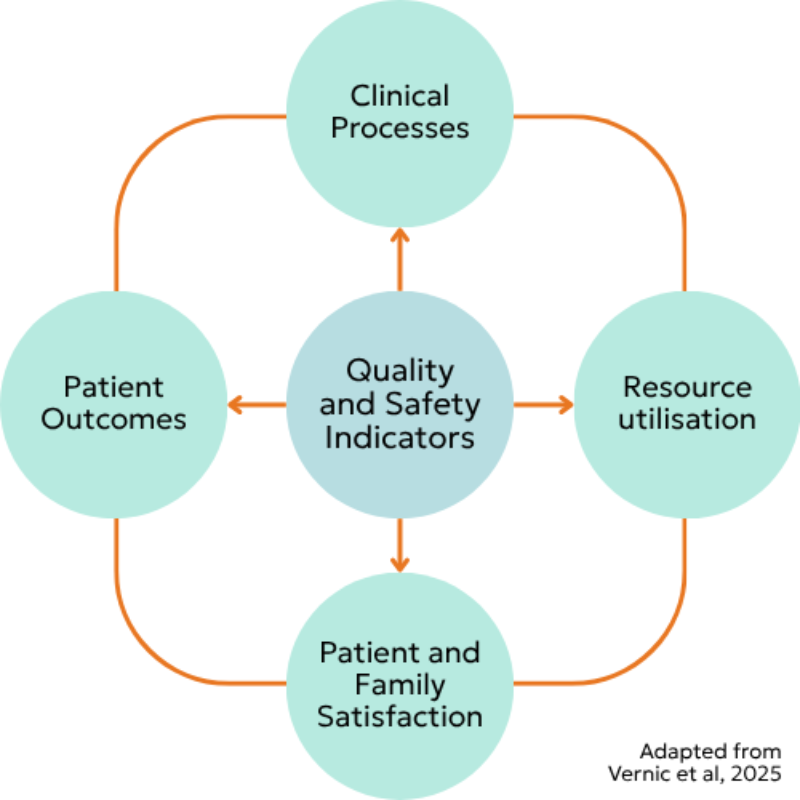
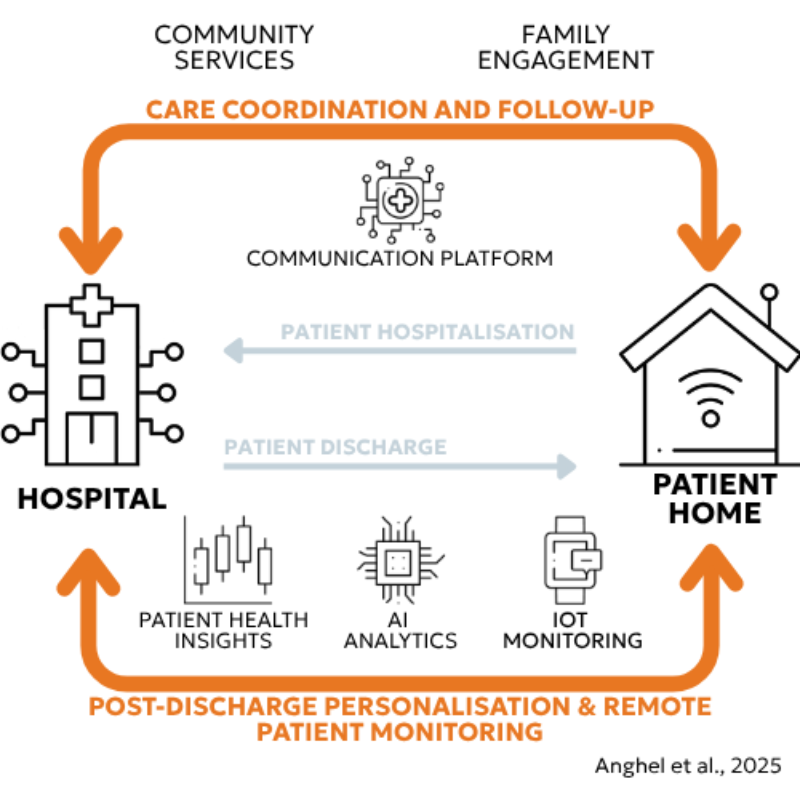
Beyond documentation efficiency, digital platforms assemble the plan from multiple data sources. Machine learning approaches applied in critical care can dynamically incorporate ventilator data, glucose levels and infection indicators to predict patient trajectories and inform care planning. The ability of these models to update with new data means the care plan remains current as the patient’s condition evolves (Vernic et al, 2025). Simultaneously, Internet of Things (IoT) sensors and artificial intelligence (AI) tools can assess patients before discharge, stratifying risks for hospital readmission based on daily life activities, vital signs and medication adherence. This pre-discharge assessment feeds directly into the documented care plan and the post-discharge follow-up regimen (8).
When these digital elements are integrated within the EHR, the comprehensive care plan becomes a living, accessible document. Real-time monitoring, predictive analytics and automated screening assessments are transmitted directly into the record, ensuring that the multidisciplinary team has a single source of truth. The plan is no longer a static paper form but a continuously updated, data-enriched guide to the patient’s care and treatment.
Treatment Selection and choosing the Care Setting
Actions 5.4b and 5.4c require that care be provided in the setting that best meets the patient’s clinical needs, and that timely referral to specialist services occurs. Digital health technologies enable these decisions to be made with greater precision, while also providing the evidence base to identify and de-implement care that adds no value.
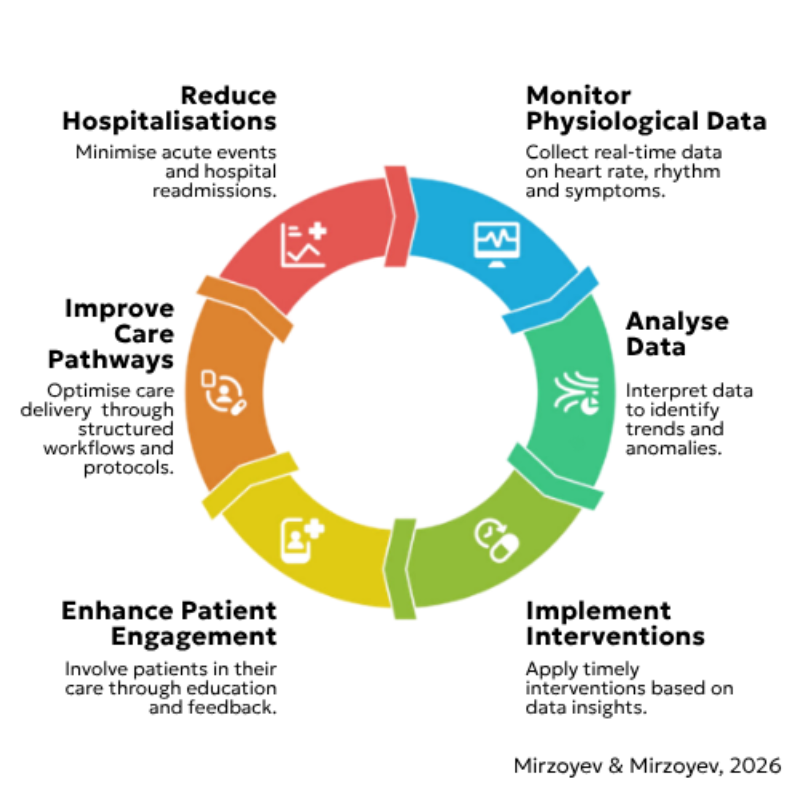
Remote patient monitoring (RPM) exemplifies how treatment location can be shifted safely. For patients with chronic conditions such as heart failure, digital tools support seamless information transmission between hospital, specialist clinics and the home. RPM programs that commence early or immediately after discharge have been shown to reduce early rehospitalisations by enabling close monitoring, early detection of congestion and strengthened medication adherence. This integrated model means that the hospital is no longer the default care setting; rather, the setting can be selected based on clinical need and patient capability, with digital infrastructure providing the safety net. The digital home-based care pathway, augmented by IoT sensors and AI-driven risk identification, directly delivers on the Standard’s requirement to match care setting to clinical circumstance (9; 8).
Addressing Low-Value Care (LVC)
Equally important is digital health's capacity to support the removal of low-value care (LVC). Health technology reassessment (HTR) processes, which evaluate existing practices against current evidence, identify LVC that should be de-implemented. Evidence alone, however, is often insufficient to change entrenched clinical behaviour. Effective de-implementation requires involving key stakeholders in identifying potential LVC practices, establishing criteria for accepting HTR targets, and ensuring high-quality reports are disseminated to decision-makers. Health care organisations must then set priorities, network between facilities and monitor changes in the use of de-identified practices. Digital platforms can host these HTR workflows, embed de-implementation criteria into clinical decision support, and track practice variation across sites, making the removal of low-value care an auditable, systematic process rather than an ad hoc effort (10).
Digital tools also assist in identifying the most applicable treatment. Predictive analytics and machine learning models, updated with real-time patient data, can suggest treatment pathways matched to individual risk profiles. In critical care, these models have demonstrated capacity for nuanced analysis, identifying key mortality predictors and supporting clinical decisions that are both evidence-based and patient-specific. The combination of data-driven treatment selection, digitally enabled care setting choice and systematic de-implementation of ineffective practices transforms comprehensive care from a reactive framework into a proactive, resource-optimised system (7).

Collaborative Expertise: Shared Learning to Strengthen the Care Plan
Actions 5.5a, 5.5b and 5.6 require multidisciplinary collaboration, clearly defined team roles, and clinicians working together to plan and deliver comprehensive care. Digital platforms enable collaboration that extends beyond the immediate clinical team, allowing specialist expertise to be injected directly into the care plan at the point of decision-making.
The DonnaRosa community illustrates this capability. Originally a WhatsApp group of seven oncologists, it has expanded to 54 members across Italy and France, functioning as a platform for real-time peer-to-peer consultation on anonymised patient cases. The primary perceived value is the sharing of second opinions for complex or ambiguous clinical cases, alongside the exchange of best practices and collaboration in clinical trials. This is not informal social networking; it is a structured, specialist-level knowledge resource that feeds directly into the development of comprehensive cancer care plans. When a clinician encounters a complex presentation, the ability to access a curated network of subspecialist expertise within the care planning window means the resulting plan is informed by a broader evidence base and collective clinical experience than any single institution could provide (11).
The same principle operates in the acute setting. Telepharmacy consultations via WhatsApp between intensive care physicians and clinical pharmacists have been used to manage antimicrobial therapy, anticoagulation, pain, agitation and delirium in critically ill patients. In one study, 1,200 messages were exchanged with an average response time of 1.5 hours. The pharmacist, having received anonymised clinical reports, laboratory results and disease progression notes, provided individualised therapeutic recommendations that became part of the patient’s care plan. This model enabled clinical pharmacy expertise to reach patients who would otherwise lack specialist pharmacotherapy review, overcoming workforce shortages through digital means (12).
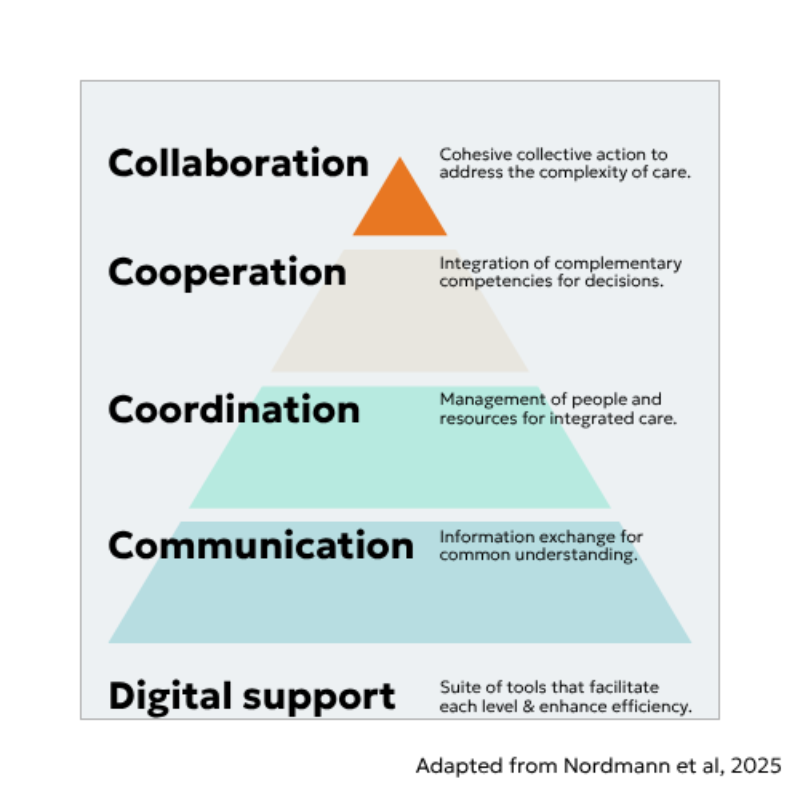
These examples demonstrate that digital tools do not merely support communication; they progressively build the capacity for coordination, cooperation and ultimately collaboration, as described by Nordmann et al (13). When collaboration is focused on care planning, the outcome is a plan enriched by multidisciplinary and cross-institutional expertise, documented in the EMR and available to the entire treating team. The Standard’s requirement for collaborative care planning is thus met not through additional meetings or paperwork, but through a digital infrastructure that makes expert input timely, accessible and traceable.

Clinical Communication, Enabled
Actions 6.4, 6.7–6.9 and 6.11 mandate structured clinical handover, effective communication during care transfers, timely sharing of critical information and risks, defined minimum handover content, and contemporaneous documentation.
Secure messaging platforms for team collaboration and specialist consultation, electronic handover tools (EMR-integrated I-PASS/ISBAR templates), auto-populating handover notes, wearable communication devices for rounding alerts, and post-discharge digital communication channels.
A 30-minute reduction in ED length of stay, 12-minute faster consult times, 150 avoided admissions, 1.9 fewer post-discharge phone calls per patient, 91% patient preference for digital contact, reduced handover errors and improved staff satisfaction.
The Communicating for Safety Standard sets explicit expectations for clinical communication. Health service organisations must have processes that support effective communication during identification and procedure matching, transfer of care, and when critical information about a patient’s risks, care or condition changes (Action 6.4) (6). Clinicians must use structured handover processes that prepare, schedule and populate clinical handover with the right participants, patient goals and documented accountability (Actions 6.7, 6.8, 6.9). Contemporaneous documentation of critical information, reassessment outcomes and care plan changes is also mandated (Action 6.11). Digital health applications do more than transmit messages; they provide the infrastructure for collaborative care delivery and structured, traceable patient handover, directly enabling compliance with these standards.
Intra-Team Collaboration and Care Coordination
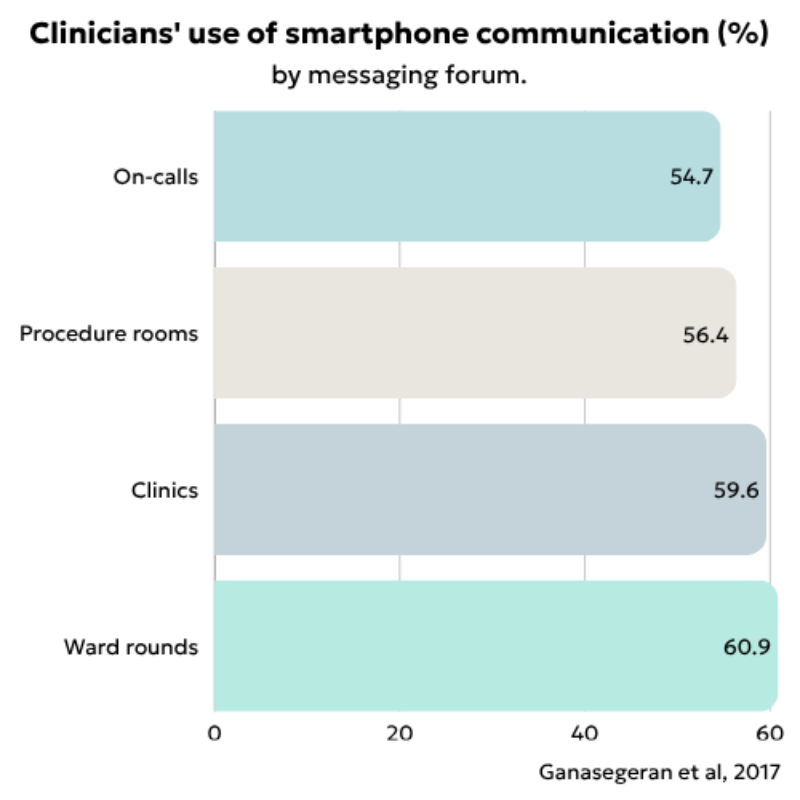
Asynchronous, fragmented communication technologies have long constrained collaborative clinical work. Traditional one-way pagers, fixed telephones, and unsecured text messages contribute to workflow interruptions, insufficient contextual information, and delays that harm patients and increase costs (15). The shift to secure, mobile-enabled communication platforms addresses these constraints by enabling real-time information exchange, image and data sharing, and team-based coordination that integrates with clinical workflows.
Real-time coordination and decision support
Secure messaging applications enable clinicians to share clinical information without time or distance barriers, supporting remote assignment of personalised care plans and continuous patient monitoring. The sensing-communication bundle, comprising digital sensors, mobile health applications, and messaging platforms, has demonstrated a strong influence on clinical effectiveness, particularly by enabling care teams to share data and risk patterns, refine care practices, and deliver continuous support (1). When deployed in emergency departments, secure messaging has produced measurable gains. One randomised trial compared consultations via a secure messaging application to telephone-based consults and found that median emergency department length of stay was 37 minutes shorter in the messaging group (240 minutes versus 277 minutes) and median consult time was reduced by 12 minutes. The application allowed residents to share images, X-rays and other clinical data rather than describing findings verbally, which lowered barriers to early consultation and reduced the need for consultants to physically attend the department (16). A systematic review of interventions targeting the consultation process similarly concluded that improving consult responsiveness and bypassing unnecessary consults consistently reduced emergency department length of stay (17).
Multidisciplinary teamwork and clinical decision-making
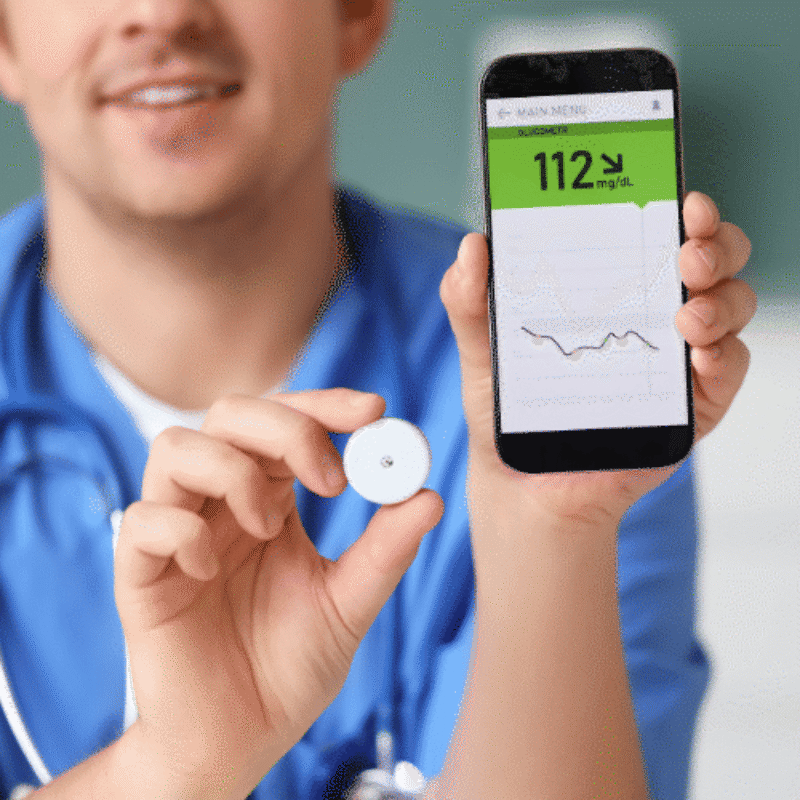
Instant messaging platforms also function as virtual tumour boards and specialist networks, enabling multidisciplinary input into complex cases. In one example, an instant messaging group of 25 specialists across urology, oncology and radiotherapy discussed genitourinary tumour cases, with a final management agreement reached in 81.8% of cases and an average of 17.6 textual interventions per case. The platform transferred large volumes of clinical and radiological data rapidly and was rated highly as a complementary communication tool (18). This pattern extends to the care of critically ill patients, where telepharmacy consultations conducted via a consumer messaging application covered antimicrobial management, anticoagulation, nutrition support and pain management, with an average response time of 1.5 hours, ensuring specialist pharmacotherapy input into care plans that would otherwise lack it (12).
Paediatric burn care provides a further example of systemic impact. A consumer messaging application used for specialist referral and triage reduced unnecessary outpatient visits and an estimated 150 admissions, delivering substantial cost savings while improving prehospital communication and enabling better allocation of scarce specialist resources (19). Across surgical and medical specialties, such tools have been shown to flatten hierarchies, allowing junior clinicians to participate actively in discussions, access experienced decision-makers quickly, and develop clinical independence with minimal risk to patient safety (20).
Integration and workflow alignment
The utility of digital communication tools depends on integration with existing health information systems and clinical workflows. Standalone messaging applications that are disconnected from the electronic medical record can create information silos and increase the risk of task interruption. A cohort study examining secure messaging volume found that clinician-days with high messaging use were associated with higher odds of wrong-patient ordering errors, suggesting that asynchronous messaging can contribute to interruptions when not thoughtfully embedded (21). Conversely, co-designed electronic communication platforms that integrate with the primary health information system have demonstrated statistically significant improvements in relational coordination scores, timely communication and shared knowledge among interprofessional teams, though outcomes varied by ward context, highlighting the influence of non-technology factors such as rounding practices and physician presence (22).
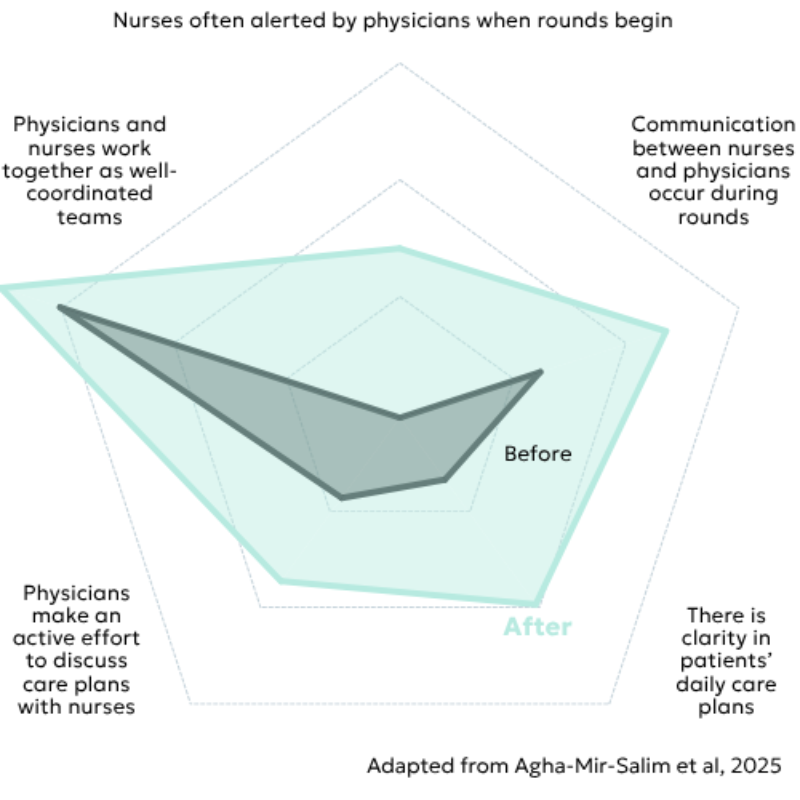
Similarly, a quality improvement project using a hands-free wearable communication device to alert nurses when physician rounds began increased nursing participation in bedside rounds from 16.5% to 36%, with significant improvements in perceived communication efficiency, care coordination and promptness of discharge. The intervention demonstrated that technology, while not a sole cultural change agent, can meaningfully shift collaborative behaviours when combined with structured protocols (23).

Post-discharge collaboration
Digital collaboration tools extend care coordination beyond hospital walls. A randomised trial of a messenger-like digital communication pathway for orthopaedic patients after discharge showed that patient-initiated phone calls to the hospital fell from an average of 2.3 in the control group to 0.5 in the intervention group, a reduction of 1.9 calls per patient. Patients in the intervention group reported significantly greater satisfaction with their ability to contact healthcare professionals and felt more confident knowing whom to contact with post-discharge questions (24). This realignment of communication from synchronous telephone calls to asynchronous, team-based messaging reduces interruptions to hospital staff while improving patient experience, addressing both the efficiency and patient-centredness domains of quality care.
Collectively, these applications demonstrate that digital collaboration tools enable the coordinated, multidisciplinary, timely communication required by Actions 6.4, 6.9 and 6.11. They ensure that critical information, alerts and risks reach clinicians who can act, and they create a persistent record of team decisions and care plan updates. The clinical effect is faster decision-making, reduced unnecessary admissions, and strengthened multidisciplinary input, all of which directly improve care plan fidelity and patient outcomes.
Structured Clinical Handover
Clinical handover is the moment of transfer of professional responsibility and accountability for a patient’s care. Poorly executed handover can result in the loss of critical information, imprecision and outright error, with adverse consequences for patient safety and length of stay (25). The Communicating for Safety Standard Actions 6.7 and 6.8 require structured, scheduled, information-rich handover involving relevant clinicians, patients and families. Digital technologies make structure enforceable and information completeness auditable.
The most prevalent digital handover solution is an electronic medical record-based checklist, a structured template integrated within the hospital’s clinical system that guides documentation of patient information. Electronic versions of validated handover tools, such as I-PASS and ISBAR, digitise standardised mnemonics to ensure consistent, complete transfer of critical data. App-based handover tools can further assign patient-specific tasks, integrate clinical data, deliver real-time notifications and maintain a full audit trail of who accepted responsibility. Asynchronous handover platforms allow teams to review templated clinical information without requiring real-time interaction, increasing flexibility while preserving structure (25).
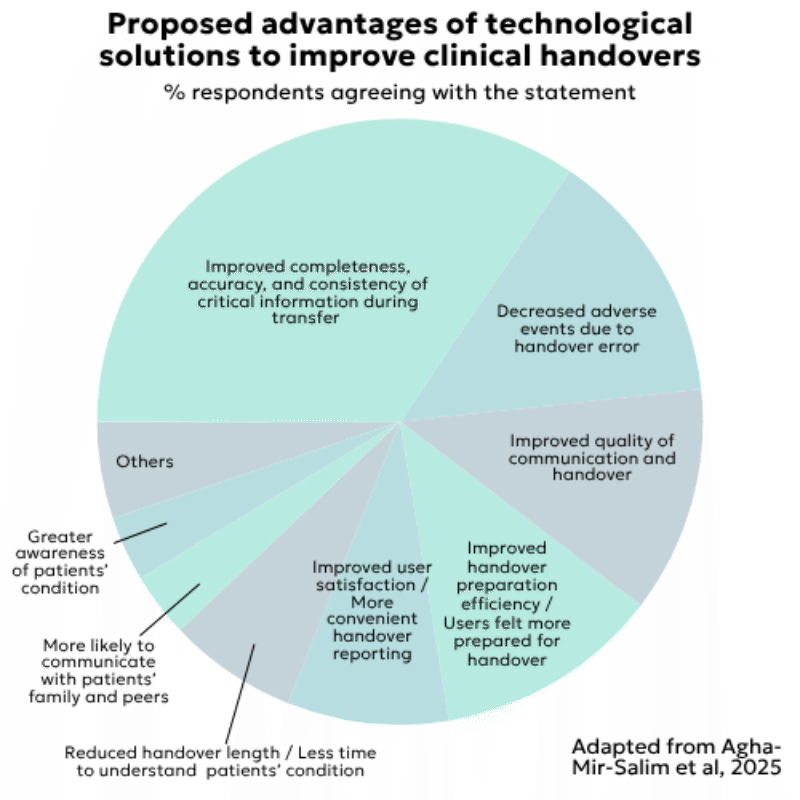
The evidence across 53 reviewed publications shows that these technological solutions improve the completeness, accuracy and consistency of critical information transfer, reduce adverse events attributable to handover error, and enhance communication quality and staff satisfaction. Auto-populating handover notes from the electronic medical record eliminates transcription errors and reduces preparation time, enabling clinicians to focus on the content of the handover rather than its assembly (25). These capabilities directly address Action 6.8’s requirements that clinicians prepare and schedule handover, have relevant information available, organise the right participants, and ensure the transfer of responsibility and accountability. They also satisfy Action 6.7’s mandate that minimum information content be defined and risks relevant to the patient be communicated, because digital templates can enforce inclusion of best-practice data fields and alert clinicians to outstanding risk flags.
For senior leaders, the investment logic is straightforward. Digital communication and handover tools replace fragmented, interruptive and error-prone workflows with structured, integrated and auditable processes. They reduce length of stay, avoid unnecessary admissions, strengthen multidisciplinary collaboration and ensure that when care responsibility transfers, it does so with complete, accurate and timely information. The NSQHS Standards already require these outcomes. Digital health provides the mechanisms to achieve them reliably and at scale.
Managing Acute Deterioration
Actions 8.4, 8.8 and 8.10 require individualised vital sign monitoring plans, graphical tracking of deterioration over time, mechanisms for care escalation, and timely response by clinicians with appropriate skills.
Continuous wearable and IoT vital sign monitoring, AI-driven early warning systems integrated with EMRs, automated escalation algorithms, secure messaging alerts to rapid response teams, and pre-hospital telemedicine for specialist triage.
A 13% in-hospital mortality reduction, 35% fewer cardiopulmonary arrests, a 60% decrease in Code Blue events, 44% more rapid response team activations, earlier deterioration detection, and greater nurse confidence in escalation.
Continuous Monitoring, Early Detection and Digital Documentation
Conventional intermittent vital sign charting leaves significant gaps. Research shows that 85% of severe adverse events are preceded by abnormal physiological signs up to 24 hours prior. However, these signs can be missed when observations occur only every four to six hours (26). Digital health closes this gap by enabling continuous, automated collection and analysis of physiological data.
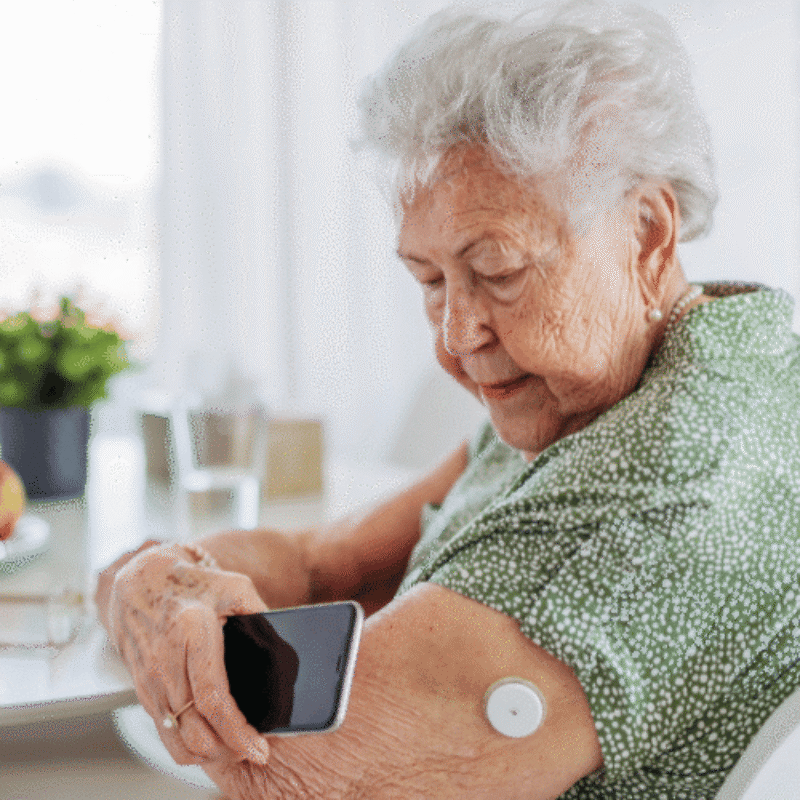
Wearable and implantable sensors now continuously capture heart rate, respiratory rate, blood pressure, oxygen saturation, temperature and other parameters, shifting care from reactive to proactive. Internet of Things (IoT) platforms aggregate this data in real time, allowing clinicians to detect arrhythmias, oxygen desaturation and metabolic instability early, often before the patient becomes symptomatic (27). In general wards, where technological constraints and cost once limited continuous monitoring, new minimally intrusive devices have demonstrated not only feasibility but measurable clinical benefit. A review of 24 studies by Downey et al (28) found that continuous monitoring of heart rate, systolic blood pressure and shock index was predictive of transfusion risk in trauma patients, with predictive ability improving as monitoring duration increased. Nurses reported that greater availability and accessibility of vital signs information enhanced patient safety and supported clinical decision-making, while trained and confident users saw particular value.
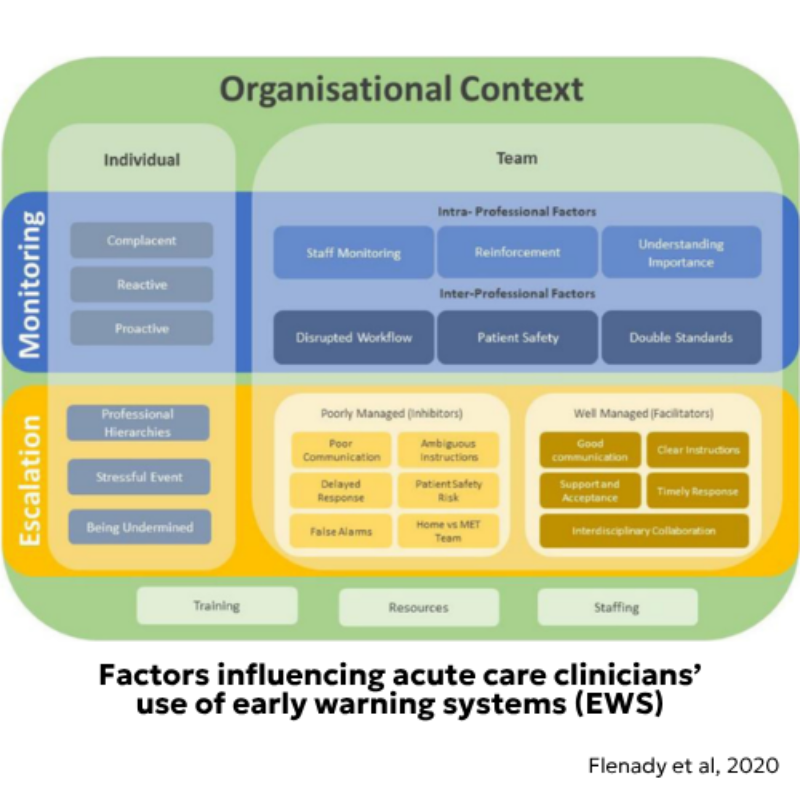
These monitoring capabilities feed directly into digital early warning systems (EWS) integrated within the electronic medical record. Rather than relying on manual calculation and paper charting, continuous data streams can automatically populate EWS fields, compute scores, and generate real-time alerts when a patient crosses a predefined threshold. Machine learning algorithms can analyse vital sign time series to predict deterioration trajectories. Juez-Garcia et al (29) demonstrated that a compact set of features derived from continuous vital sign data during the first 24 hours of hospital admission accurately predicted length of stay in patients with chronic obstructive pulmonary disease and congestive heart failure, identifying periodic and self-correlating patterns in heart rate and respiratory rate that signal emerging instability. Artificial intelligence models applied to wearable data can further detect cardiotoxicity in at-risk patients, analyse echocardiograms for structural cardiac changes, and provide personalised risk stratification, all of which support the early, tailored interventions required by Action 8.4 (30).
The documentation requirements of the Standard are met simultaneously. Continuous monitoring data is automatically graphed and time-stamped in the electronic medical record, satisfying the obligation to document and track changes graphically. Individualised monitoring plans can be configured digitally, with alert thresholds adjusted to the patient’s baseline and clinical context. Real-time analysis of sensor data can trigger alerts sent directly to healthcare professionals, facilitating early intervention and reducing the likelihood of adverse outcomes (31). Electronic records also provide formative performance feedback data, creating an auditable record of monitoring compliance and alert response that strengthens governance (32).
The evidence on diagnostic delay underscores the clinical imperative for this digital shift. In cardiac emergencies, each 30-minute delay in reperfusion for ST-elevation myocardial infarction increases 30-day mortality by 20%. Timely intervention is the single greatest modifiable determinant of outcome (33). Continuous monitoring with automated alerting directly shortens the time from physiological derangement to clinical awareness, transforming the afferent limb from an intermittent, manual, error-prone process into a continuous, intelligent, and documented safeguard.
Digital Escalation and Timely Emergency Response
Detection alone does not save lives; the information must reach a clinician who can act, and the response must be immediate. Actions 8.8 and 8.10 require mechanisms to escalate care and processes that ensure a timely, skilled response. Digital health technologies convert detected deterioration into structured, priority-driven alerts that bypass traditional hierarchical delays and directly mobilise the appropriate emergency team.
The rapid response system concept relies on predetermined trigger criteria that empower ward staff to activate a medical emergency team (MET) without navigating traditional hierarchies (32). Digital escalation tools embed these criteria into the monitoring platform itself. When a patient’s early warning score reaches a critical threshold, an alert can be transmitted automatically to the MET or rapid response team via secure mobile devices, carrying the patient’s location, current vital signs, trending data and relevant clinical context. This eliminates the multi-step process of a nurse recognising deterioration, locating a phone, paging a junior doctor, awaiting callback, and describing the situation verbally before the right responder is dispatched. A study by Xu et al (34) found that delays between identification of deterioration and rapid response team arrival are associated with higher mortality, making the speed and completeness of alert transmission a direct patient safety variable.
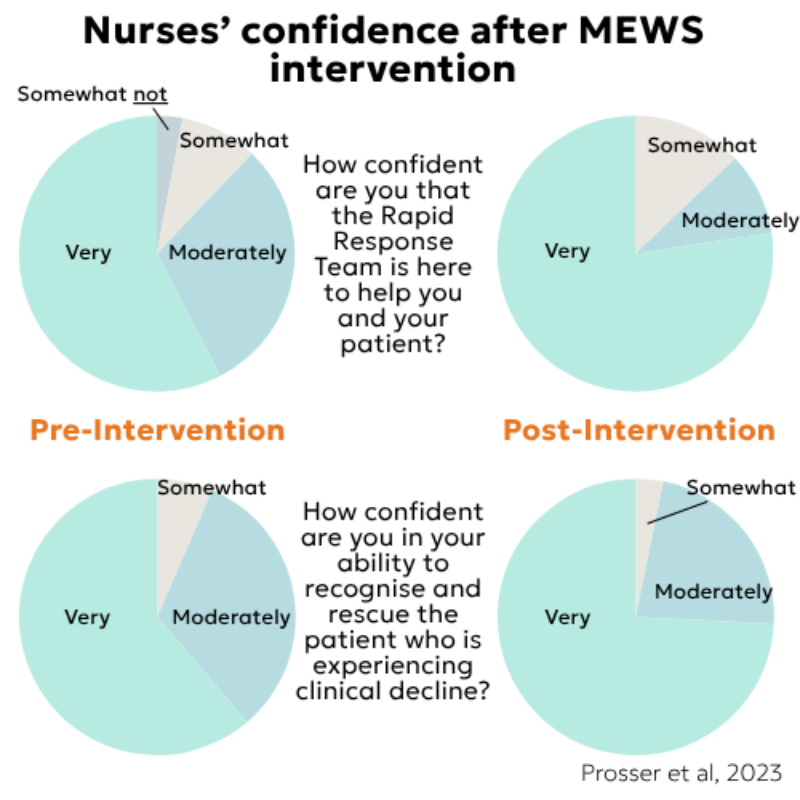
The value of structured escalation is further demonstrated by nurse-driven escalation algorithms that incorporate early warning scores and nurse intuition. Prosser et al (35) reported that implementing a care escalation algorithm alongside a modified early warning system led to a 44.1% increase in rapid response team activations and a 60% reduction in code blue events over eight weeks. Nurses reported significantly greater confidence in recognising and responding to clinical decline. When such an algorithm is digitised and integrated into the clinical workflow, the decision to escalate becomes protocolised, supported by real-time data, and executable with a single action, reducing the cognitive burden on clinicians and standardising care across shifts.

Digital escalation also strengthens the efferent limb by ensuring that the right skill set responds. Alert routing can be configured to send cardiac-specific alerts to the coronary care team, neurological alerts to the stroke team, and general deterioration alerts to the MET. Telemedicine extends this capability across geographic boundaries. In pre-hospital cardiac care, emergency medical services teams already transmit electrocardiograms and vital signs to remote cardiologists for real-time triage decisions. This model can be replicated for in-hospital rapid response, particularly in rural or resource-limited settings where specialist expertise is not immediately available on site (33).
Importantly, digital escalation tools can also support the multidisciplinary collaboration that is essential to effective response. Interprofessional competencies of communication, role clarification and collaborative leadership underpin successful recognition and response to deterioration (32). Digital platforms that allow the MET to receive, acknowledge and document their response create a closed-loop communication system. The responding team arrives with full awareness of the patient’s status. It can document interventions directly into the record, meeting the contemporaneous documentation requirements that apply to critical information, alerts and risks (Action 6.11, and by extension Action 8.4’s documentation expectations). Audit trails capture response times, enabling quality improvement and compliance reporting.
For senior leaders, the investment case is built on two incontrovertible points. First, continuous digital monitoring detects deterioration earlier than intermittent manual observation, and early detection is the prerequisite for early intervention. Second, digital escalation collapses the interval between detection and skilled response, directly addressing the mortality risk associated with delayed rapid response team activation. These technologies operationalise the Rapid Response System model at a level of consistency and speed that paper-based processes cannot achieve, and they provide the governance data to prove it. The NSQHS Standard defines the required outcome. Digital health provides the mechanism to deliver it reliably, at scale, and with an auditable record of every life saved.

Targeting Digital Solutions
Preventing and Controlling Infections (Standard 3), Medication Safety (Standard 4) and Blood Management (Standard 7) require robust infection prevention systems, safe medication processes, and management of blood product availability and traceability.
IoT remote infusion pump control and UV-C sterilisation robots; CPOE/CDSS with automated dispensing and AI-integrated medication alerts; and LIMS-Order Comms integration, clinical decision support and inventory sharing for blood products.
A 54.38% medication error reduction, 37.12% fewer adverse drug events, 30% fewer discharge prescribing errors, reduced surface bacterial burden, minimised infectious room entries, lower platelet wastage, improved transfusion appropriateness and faster product ordering.
Controlling infection risk
The Preventing and Controlling Infections Standard requires health services to maintain robust infection prevention and control systems (6). Digital health technologies can directly minimise infection risk by reducing physical contact between healthcare workers and infectious environments, and by automating environmental decontamination. Two examples from the available evidence illustrate distinct but complementary approaches.
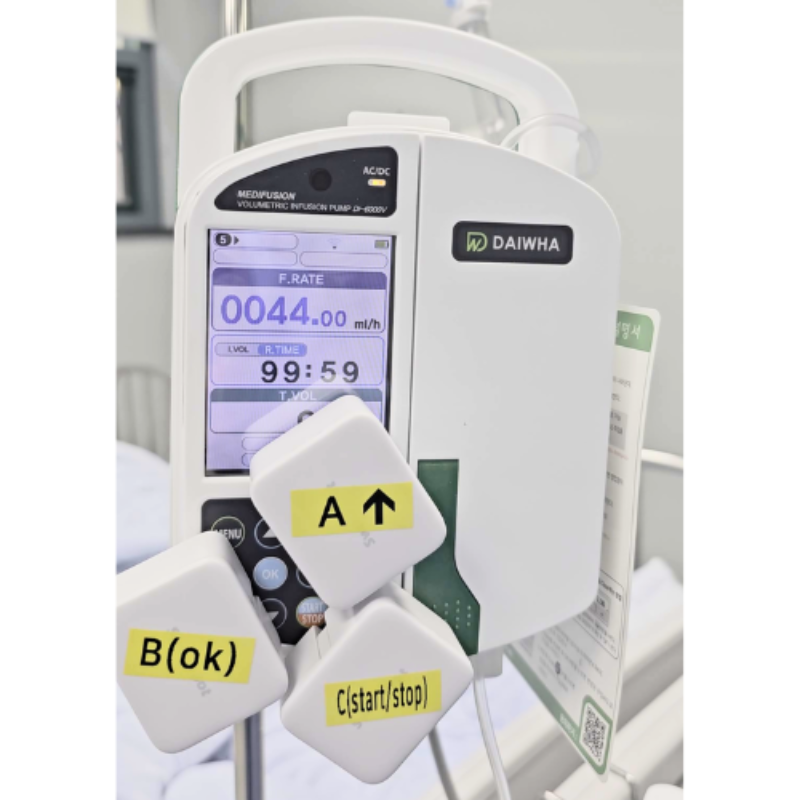
Park et al (36) developed an Internet of Things (IoT) remote control system for infusion pumps (IRCSIP), enabling nurses to adjust intravenous medication rates without entering isolation rooms. The system significantly reduced the time required for infusion pump adjustment and minimised physical entry into isolation rooms, which the authors identify as critical for maintaining controlled environments and protecting both patients and healthcare workers. Frequent manual adjustments in infectious settings increase personal protective equipment (PPE) consumption, physical burden and the risk of infection control breaches. The authors’ technology demonstrated benefits in infection control, nursing workflow, and cost-effectiveness, which are anticipated to be amplified under enhanced PPE protocols, such as those required during emerging infectious disease outbreaks, where donning and doffing procedures are lengthier and more resource-intensive. The study further notes that the system can ensure continuity of care during intra- and interhospital transports by reducing risks of equipment disconnection, delayed medication delivery and communication failures, all of which carry infection control implications during patient movement.
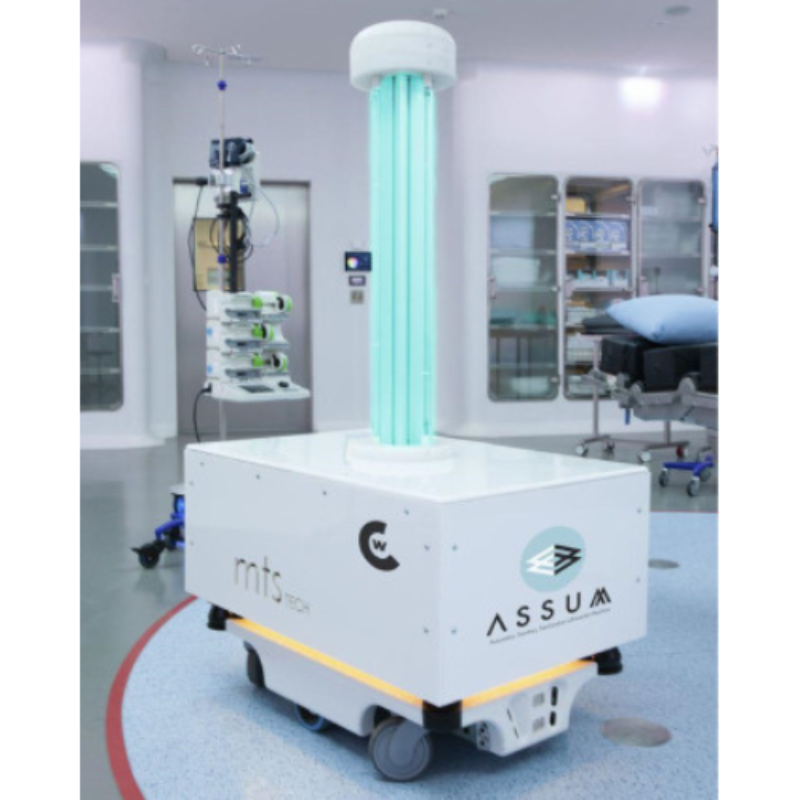
In the environmental domain, Vernic et al (7) reviewed autonomous robotic units for infection prevention. One study examined an Autonomous Sanitary Sterilisation Ultraviolet Machine (ASSUM), a UV-C emitting robot deployed for terminal disinfection in surgical theatres and intensive care units over 10 months. The robot targeted environments where patients with multidrug-resistant organisms were treated. While the intervention did not significantly impact surgical site infection rates or multidrug-resistant organism acquisition rates in clinical samples, bacterial burden on surfaces was markedly lower after intervention, particularly in ICU settings. This outcome demonstrates effective surface sterilisation beyond standard manual cleaning, addressing a foundational element of infection control.
These applications show that digital health can deliver measurable infection prevention gains through remote clinical workflow management and automated environmental decontamination. Although the ASSUM results highlight that surface sterilisation alone may not translate to lower infection rates without accompanying system-wide controls, the reduction in bioburden remains a tangible safety improvement. Together, these technologies offer health services practical, evidence-based augmentations that directly support compliance.
Safely administering medication
Medication errors and adverse drug events (ADEs) represent persistent, costly risks in healthcare. Within the NSQHS Medication Safety Standard, documenting patient information and ensuring reliable medication management processes are core expectations (6). Digital health technologies offer precise, evidence-based improvements that increase administration speed, reduce errors, and use data integration to prevent harm.
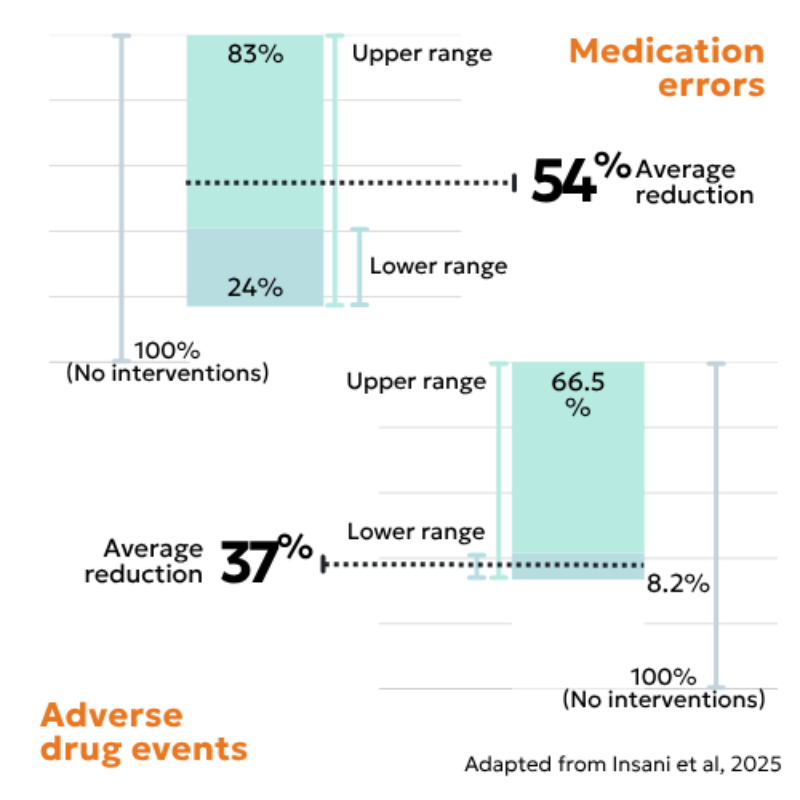
The most frequently implemented digital interventions replace paper-based prescribing with computerised physician order entry (CPOE) and clinical decision support systems (CDSS) that incorporate safety alerts. These alerts span drug-drug interactions, allergy checks, dosage verification, therapeutic duplications and potentially inappropriate medication use in vulnerable populations. When prescription entry is combined with administration tracking, the reduction in ADEs is materially greater than basic alerting alone. Across multiple studies, such technologies reduced medication errors by an average of 54.38% (range 24% to 83%) and ADEs by 37.12% (range 8.2% to 66.5%). Higher absolute reductions were observed in high-risk populations, including older and paediatric hospitalised patients, where comorbidities, concomitant medications and physiological differences create elevated baseline risk (37).
Speed of administration is improved through automation and remote expertise. Automated medication-dispensing systems, using individual unit-dose packaging with barcode scanning at the pharmacy and bedside, reduce dispensing and administration errors while enhancing workflow efficiency. Automated dispensing cabinets and carousel storage systems minimise time spent locating medications and prevent selection errors. Integrated electronic medication administration records link dispensing and prescribing, accelerating safe administration (37). Telepharmacy consultations further extend timely expert input, covering antimicrobial management, anticoagulation, pain and delirium management, and the safety and effectiveness of medication plans, without requiring physical presence (12).
Data integration is the mechanism that converts isolated alerts into intelligent, cross-referenced safeguards. Artificial intelligence tools embedded within electronic health record systems show particular promise. A hospital-based AI decision support system achieved a 30% decrease in prescribing errors at discharge when directly integrated into the EHR. In contrast, standalone platforms created fragmentation, duplicated effort and inconsistent documentation. Integrated systems streamlined care, supported real-time team communication and strengthened clinician confidence in assisted recommendations. The critical enabler is interoperability, with experts advocating national or institutional guidelines to address incompatible data formats, siloed systems and limited clinician training (38).
For senior leaders, the investment case rests on these measurable returns. Targeted digital solutions deliver faster administration, sharp reductions in medication errors, and a framework for data-integrated prescribing that prevents adverse events before they occur.

Enhanced blood inventory utilisation
The Blood Management Standard requires health services to manage the availability and safety of blood and blood products (ACSQHC, 2017). A defining operational challenge is the perishable nature of these products. Platelets, for example, have a shelf life of approximately three days after transportation and testing, contributing to an annual outdate rate of roughly 10% in U.S. hospitals (39). This wastage represents both a clinical risk and a financial drain that digital inventory management directly addresses.
Advanced digital systems already exist that not only mitigate this inventory problem but surpass the minimum actions required by the Standard. Laboratory Information Management Systems (LIMS) serve as the hub of transfusion IT, capable of configuring user-defined stock levels and triggering warnings, advisory reorders or automatic replenishment when stocks fall below minimums. Integrating electronic ordering with LIMS introduces clinical decision support (CDS) that prompts clinicians to follow agreed transfusion guidelines, compares haemoglobin concentrations against accepted thresholds, and flags special requirements such as irradiation. These systems ensure traceability from donor to recipient, a regulatory obligation, while simultaneously reducing unnecessary orders and preventing transcription errors through structured, coded data entry (40).

The safety and operational benefits of such integrated platforms include:
- Faster product requesting and immediate access to laboratory results and component availability
- Automated alerts for antibody-positive patients, special requirements and discrepancies in demographic data
- Limit access to transfusion-trained, authorised staff to complete critical steps
- Real-time monitoring of interface failures and overdue process steps
- A documented, accessible record of prescription and administration, including speed of administration
These capabilities move beyond simple stock monitoring to active, data-driven stewardship of blood products. While the Blood Management Standard establishes a baseline of safety and availability, fully integrated digital solutions deliver perpetual inventory visibility, clinical appropriateness checks at the point of ordering, and system-wide traceability that reduces both out-of-date wastage and the risk of adverse events. The available technology is established, proven, and exceeds the Standard's requirements, presenting a clear investment case for senior leaders through measured reductions in waste, error and unnecessary transfusion.

Investing in Digital for Quality Care
The evidence here establishes a clear position: digital health technologies that align with the National Safety and Quality Health Service (NSQHS) Standards can deliver quantifiable returns through improved patient outcomes and reduced harm. The Standards, adopted by all Australian states and territories, are not aspirational targets; they are the accreditation framework against which every health service is held to account. Investing in digital capabilities that directly support compliance therefore links technology expenditure to the core performance metrics that funders, regulators and governing boards monitor.
The research reviewed here demonstrates that secure smartphone applications, integrated with clinical workflows through robust interoperability platforms, function as the connective tissue of modern care delivery. When clinicians can exchange structured clinical information, images and real-time alerts via secure messaging, the time to specialist input collapses. When continuous vital sign monitoring feeds directly into early warning systems and escalation algorithms, deterioration is detected earlier, and response teams are mobilised faster. When care plans, medication orders and blood product inventories are digitised and accessible across settings, waste, error and unnecessary care are systematically reduced.
The patient outcomes extracted from this evidence base are not marginal. They represent the concrete clinical and operational gains that health service leaders can expect from thoughtful digital investment:
- A 12% reduction in ICU mortality attributed to electronic health records and computerised physician order entry, and a 13% reduction in in-hospital mortality linked to rapid response systems.
- A 60% decrease in Code Blue events and a 35% reduction in cardiopulmonary arrests when escalation is protocolised and digitally supported.
- A 30-minute reduction in emergency department length of stay and a 12-minute reduction in consult time achieved by replacing telephone calls with secure messaging for specialist consultation.
- A 54.38% average reduction in medication errors and a 37.12% reduction in adverse drug events through clinical decision support and electronic prescribing.
- Over 150 admissions avoided in a single paediatric service through messaging-based triage, and a 1.9-call per patient reduction in post-discharge phone traffic when digital communication replaced calls.
- Significantly higher patient satisfaction and confidence in knowing whom to contact after discharge, alongside strong patient preference for digital communication channels.
Underpinning every one of these outcomes is a single technical reality: fragmented, standalone applications generate fragmented care. The systems that deliver the greatest impact are those in which secure messaging platforms, electronic medical records, monitoring devices and clinical decision support tools interoperate as a unified whole. An integration engine that links disparate data sources, standardises information formats and routes alerts and handover information to the right clinician at the right time is not an optional extra. It is the infrastructure that converts a collection of useful apps into a coherent, organisation-wide safety net.
For senior leaders, the decision is not whether digital health can demonstrate value; the evidence confirms it can. The decision is whether health services will invest in interoperable, standards-aligned platforms that embed these capabilities into everyday clinical work, or continue to tolerate paper-based processes, fragmented pagers and phone calls, and preventable harm. The NSQHS Standards provide the measurement framework. Digital health, built around secure mobile communication and seamless data integration, provides the mechanism to meet those standards and improve the care that patients receive.
Where Ikonix Contributes
The preceding evidence demonstrates that digital health investments deliver measurable improvements in patient safety, clinical efficiency and care coordination when they align with the NSQHS Standards and operate as an integrated ecosystem. Ikonix Technology provides this ecosystem through a unified platform purpose-built for Australian health services that directly enables the clinical effectiveness outcomes discussed in this whitepaper.
Ikonix Unified Messaging System (UMS)
Ikonix Messenger is the integration layer that links UMS to a health service’s broader digital infrastructure. It ingests data from electronic medical records, patient administration systems, nurse call platforms, building management systems and medical devices, and routes that information as actionable messages to the right clinicians. Admission-discharge-transfer feeds, pathology results, medication order alerts and monitoring alarms are transformed from isolated data points into structured communications delivered through the same secure messaging platform clinicians already use for team collaboration.
This integration is the mechanism that realises the systemic gains described throughout the whitepaper. By connecting continuous monitoring devices to clinician smartphones, Ikonix Connect enables the early detection and rapid escalation model that reduced Code Blue events by 60% and increased rapid response team activations by over 44% (35). Interfacing with laboratory information systems allows blood product inventory alerts, stock-level warnings and transfusion-related critical results to reach responsible clinicians in real time, directly supporting the Blood Management Standard’s requirements for traceability and availability. Medication-related decision support alerts, allergy warnings and duplicate therapy flags that originate in the electronic medical record can be delivered via UMS, contributing to the 54.38% average reduction in medication errors achieved when prescribing is digitally supported (37). By linking bed management and admission data to clinician directories, Ikonix Connect also streamlines handover and discharge coordination, reducing the telephone traffic and fragmented communication that delay patient flow.

Ikonix Connect
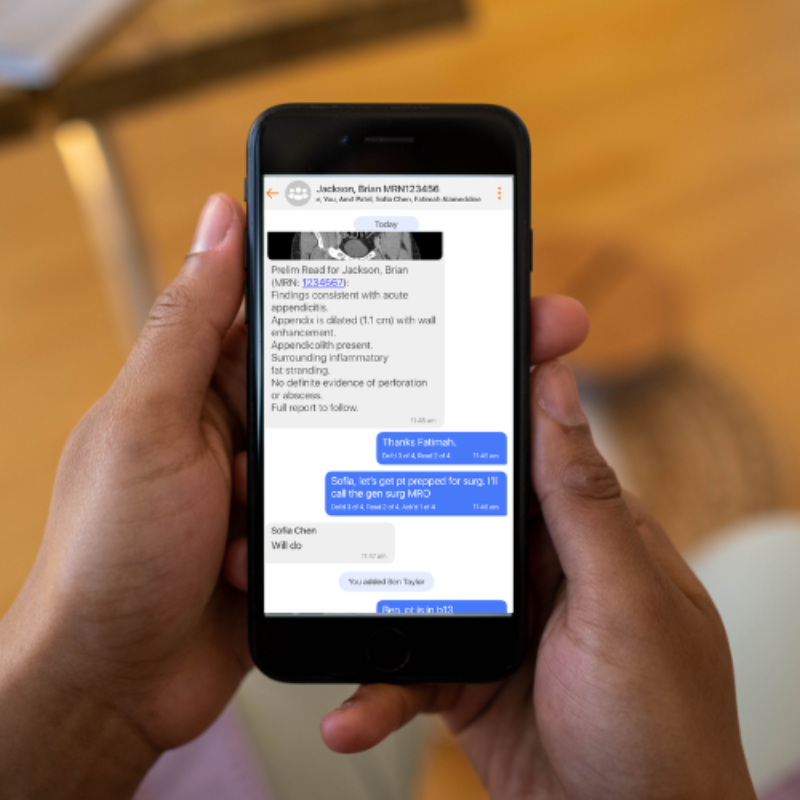
Ikonix Connect is a secure, smartphone-based communication platform that replaces unsecured consumer messaging apps, one-way pagers and desk phones. It enables real-time, multimedia clinical communication including text, images, documents and voice calls, all within a protected, auditable environment. Role-based directories ensure clinicians can instantly identify and contact the right team member by name, role or team, eliminating the delays inherent in switchboard calls and pager callbacks. Critical alerts can be configured with distinct tones and priority overrides, bypassing silent mode, so deterioration notifications reach responders immediately. Every message is logged, time-stamped and retrievable, creating a medicolegal record that satisfies documentation requirements under the Communicating for Safety Standard.
This capability directly supports the acute deterioration and communication outcomes established in this paper. When a patient’s early warning score crosses a threshold, an instant, priority alert carrying the patient’s location, vitals and clinical context reaches the appropriate rapid response team without the multi-step delays associated with traditional escalation (35). The platform’s group messaging and virtual team rooms enable the multidisciplinary collaboration required for comprehensive care planning, mirroring the specialist networks and tumour boards that achieved clinical agreement in over 80% of cases (18). Secure image sharing lets referring clinicians transmit wounds, ECGs or radiology images directly to specialists, collapsing consult times and reducing emergency department length of stay, as demonstrated in the clinical evidence (16).
The Platform for Standards-Aligned Care
Ikonix UMS and Ikonix Connect together form the interoperable communication backbone that clinical evidence shows is essential. They transform fragmented, interruptive workflows into structured, traceable, multidisciplinary care coordination. The platform is deployed in Australian hospitals today, meeting the NSQHS Standards that define effective healthcare and delivering the patient wellbeing outcomes that senior leaders must demand from their digital investments.
Contact Ikonix Technology to arrange a demonstration
Let's help you evaluate how secure, integrated clinical communication can be implemented within your health service.
Resources
- Marbouh D, Swarnakar V, Simsekler MCE (2023) Healthcare 4.0 digital technologies impact on quality of care: a systematic literature review. Total Quality Management & Business Excellence. 2023;34(15/16):2157-2182.
- Council of Australian Governments (2011) National Health Reform Agreement, SCI.0001.0020.0001
- ACSQHC (2021) National safety and quality health service standards (2nd ed.), Australian Commission on Safety and Quality in Health Care
- Queensland Health (2025) Performance and Accountability Framework, July 2025
- Agency for Clinical Innovation (2025) Rehabilitation model of care – Guiding principles; NSW Health
- ACSQHC (2017) National Safety and Quality Health Service Standards guide for hospitals; Australian Commission on Safety and Quality in Health Care, Sydney
- Vernic, C, Tamas, TP, Petre, I & Ursoniu, S (2025). ‘Transforming critical care: the digital revolution’s impact on intensive care units’, Frontiers in Digital Health, pp. 1–15
- Anghel, I, Cioara, T, Bevilacqua, R, Barbarossa, F, Grimstad, T, Hellman, R, Solberg, A, Boye, LT, Anchidin, O, Nemes, A & Gabrielsen, C (2025). ‘New care pathways for supporting transitional care from hospitals to home using AI and personalized digital assistance’, Scientific Reports, vol. 15, no. 1, pp. 1–12
- Mirzoyev, U & Mirzoyev, K (2026). ‘Digital Medicine in the Management of Heart Failure: From Reactive Care to Predictive, Pathophysiology-Driven Strategies’, Healthcare (2227–9032), vol. 14, no. 4, p. 455
- Ingvarsson, S., Hasson, H., von Thiele Schwarz, U., Nilsen, P., Roczniewska, M. & Augustsson, H. (2024). ‘Evidence is not enough: health technology reassessment to de-implement low-value care’, Health Research Policy & Systems, vol. 22, no. 1, pp. 1–12
- Ferro, A, Atzori, F, Angiolini, C, Bortolin, M, Cortesi, L, Fabi, A, Fiorio, E, Garrone, O, Gianni, L, Giordano, M, Merlini, L, Mion, M, Moscetti, L, Sartori, D, Sarobba, MG, Spazzapan, S, Lusardi, R & Piras, EM (2025), ‘DonnaRosa Project: Exploring Informal Communication Practices Among Breast Cancer Specialists’, Current Oncology, vol. 32, no. 12, p. 704
- Khoshnam-Rad N, Gholamzadeh M, Gharabaghi MA, Amini S (2022). Rapid implementation of telepharmacy service to improve patient-centric care and multidisciplinary collaboration across hospitals in a COVID era: a cross-sectional qualitative study. Health Sci Rep. 2022; 5:e851
- Nordmann, K, Redlich, M-C, Schaller, M, Sauter, S & Fischer, F 2025, ‘Toward a Conceptual Framework for Digitally Supported Communication, Coordination, Cooperation, and Collaboration in Interprofessional Health Care: Scoping Review’, Journal of Medical Internet Research, vol. 27, pp. 1–14
- Ganasegeran K, Renganathan P, Rashid A, Al-Dubai SAR 2017 The m-Health revolution: Exploring perceived benefits of WhatsApp use in clinical practice. International Journal of Medical Informatics. 2017;97:145-151
- Martin G, Khajuria A, Arora S, King D, Ashrafian H, Darzi A (2019). The impact of mobile technology on teamwork and communication in hospitals: a systematic review. J Am Med Inform Assoc. Apr 1;26(4):339-355
- Gulacti, U., & Lok, U. (2017) Comparison of secure messaging application (WhatsApp) and standard telephone usage for consultations on Length of Stay in the ED: A prospective randomized controlled study. Applied Clinical Informatics, 8(3), 742.
- Voaklander, B, Gaudet, LA, Kirkland, SW, Keto‐Lambert, D, Villa‐Roel, C & Rowe, BH (2022). ‘Interventions to improve consultations in the emergency department: A systematic review’, Academic Emergency Medicine, vol. 29, no. 12, pp. 1475–1495
- Gebbia, V, Piazza, D, Rosaria Valerio, M & Firenze, A 2021, ‘WhatsApp Messenger use in oncology: a narrative review on pros and contras of a flexible and practical, non-specific communication tool’, Ecancermedicalscience, vol. 15, no. 1316–1337, pp. 1–14
- Martinez R, Rogers AD, Numanoglu A, Rode H. The value of WhatsApp communication in paediatric burn care. Burns. 2018 Jun;44(4):947-955
- Ezra, O, Toren, A, Tadmor, O, Katorza, E (2020). Secure Instant Messaging Application in Prenatal Care; Journal of Medical Systems (2020) 44:73
- Lou, SS, Lew, D, Xia, L, Baratta, L, Eiden, E & Kannampallil, T (2024). ‘Secure Messaging Use and Wrong-Patient Ordering Errors Among Inpatient Clinicians’, JAMA Network Open, vol. 7, no. 12, p. e2447797
- Tang T, Heidebrecht C, Coburn A, et al. (2019) Using an electronic tool to improve teamwork and interprofessional communication to meet the needs of complex hospitalized patients: A mixed methods study. International Journal of Medical Informatics;127:35-42.
- Wickersham A, Johnson K, Kamath A, Kaboli PJ. Novel use of communication technology to improve nurse-physician communication, teamwork, and care coordination during bedside rounds. Journal of Communication in Healthcare. 2018;11(1):56-61.
- Høpfner Jensen, LW, Kold, S, Dinesen, B, Husum, HC, Skals, RG, Eiskjær, SP, Rahbek, O (2024). Team-based digital communication reduced patient-initiated phone calls to the hospital and improved patient satisfaction after orthopedic surgery: a randomized controlled trial in 70 patients. Acta Orthopaedica, 95, 225–232.
- Agha-Mir-Salim, L, Alberto, IR, Alberto, NR, Celi, LA, Alfonso, PG, Hicklen, R, Legaspi, K, Menghrajani, RH, Ng, FY, Pile, PT & Sauer, CM 2025, ‘Technological Solutions to Improve Inpatient Handover in the Era of Artificial Intelligence: Scoping Review’, Journal of Medical Internet Research, vol. 27, pp. 1–14
- Flenady, T., Dwyer, T., Sobolewska, A., Le Lagadec, D., Connor, J., Kahl, J., Signal, T., & Browne, M. (2020). Developing a sociocultural framework of compliance: An exploration of factors related to the use of early warning systems among acute care clinicians. BMC Health Services Research, 20 (1), 736
- Ogenyi, F., Ugwu, CN, Eze, VHU, Ugwu OPC, Ugwu, JN, Okon MB, Ukagwu, KJ (2026). Transforming digital health using the internet of things for personalized interoperable and secure healthcare systems. Discov Health Systems 5, 20
- Downey CL, Chapman S, Randell R, Brown JM, Jayne DG (2018). The impact of continuous versus intermittent vital signs monitoring in hospitals: A systematic review and narrative synthesis. Int J Nurs Stud. 2018 Aug;84:19-27.
- Juez-Garcia, I, Benítez, ID, Torres, G, González, J, Utrillo, L, Pérez, A, Varvará, N, Cuadrat, I, Barbé, F & de Batlle, J 2025, ‘Continuous vital sign monitoring for predicting hospital length of stay: a feasibility study in chronic obstructive pulmonary disease and chronic heart failure patients’, Scandinavian Journal of Trauma, Resuscitation & Emergency Medicine, vol. 33, no. 1, pp. 1–13
- Nechita, LC, Tutunaru, D, Nechita, A, Voipan, AE, Voipan, D, Tupu, AE & Musat, CL (2025), ‘AI and Smart Devices in Cardio-Oncology: Advancements in Cardiotoxicity Prediction and Cardiovascular Monitoring’, Diagnostics (2075-4418), vol. 15, no. 6, p. 787
- Taherdoost, H (2024). Wearable Healthcare and Continuous Vital Sign Monitoring with IoT Integration; Computers, Materials, & Continua; Henderson Vol. 81, Iss. 1, pp. 79–104.
- Allen, E., Elliott, D., & Jackson, D. (2017). Recognising and responding to in-hospital clinical deterioration: An integrative review of interprofessional practice issues. Journal of Clinical Nursing, 26 (23–24), 3990 – 4012
- Varrassi, G, Paladini, A, Mercieri, M, Corso, RM, Pergolizzi, JV, Pasqualucci, A, El-Tallawy, SN, Farì, G, Silvestri, B, Kaye, AD, Viswanath, O, Gharibo, C & Leoni, MLG (2025). ‘Timely interventions for better outcomes in cardiac emergencies: a narrative review’, Signa Vitae, vol. 21, no. 7, pp. 16–28
- Xu, MK, Dobson, KG, Thabane, L, Fox-Robichaud, AE (2018). Evaluating the effect of delayed activation of rapid response teams on patient outcomes: a systematic review protocol. Systematic Reviews. 2018;7(1):1-4.
- Prosser, J, Forehand, JW, Gardner, CL & Rosser-Mims, D (2023). ‘Improving Recognition and Response of Clinical Deterioration Among Medical-Surgical Nurses’, MEDSURG Nursing, vol. 32, no. 1, pp. 32–36.
- Park, J, Lim, J & Kim, YH (2026). Improving safety and efficiency in isolation rooms using an Internet of Things remote control system for infusion pumps: Usability test, Digital Health, vol. 12
- Insani, WN, Zakiyah, N, Puspitasari, IM, Permana, MY, Parmikanti, K, Rusyaman, E & Suwantika, AA (2025) ‘Digital Health Technology Interventions for Improving Medication Safety: Systematic Review of Economic Evaluations’, Journal of Medical Internet Research, vol. 27, pp. 1–16
- Das, CD, Rony, MKK, Dutta, MDS, Al Zubair Zujbe, S, Bhattacharjee, T, Debnath, N, Maruf, SA, Mortuza, CD, Rahman, F & Das, A (2026) ‘The Role of Artificial Intelligence in Medication Management for Older Adults: A Systematic Review’, Aging Medicine, vol. 9, no. 2, pp. 196–213
- Zhang, C., Ayer, T., White, C. C., Bodeker, J. N., & Roback, J. D. (2023). ‘Inventory Sharing for Perishable Products: Application to Platelet Inventory Management in Hospital Blood Banks’, Operations Research, vol. 71, no. 5, pp. 1756–1776
- Staves, J, Ashford, P, Bullock, T, Coates, T, Lodge, L, Patel, N, Rowley, M, Sargant, N & George, CE (2024). ‘Guidelines for the specification, implementation and management of IT systems in hospital transfusion laboratories: A British Society for Haematology Guideline’, Transfusion Medicine, vol. 34, no. 2, pp. 83–111